

PORTFOLIO
Stories from
the field.
Films created with researchers, conservation organisations and environmental partners to communicate science, research and the natural world.
CLIENT — RECFISH SA
Building a Sustainable Future
Beneath the Waves.
REEFS FOR HAB RECOVERY
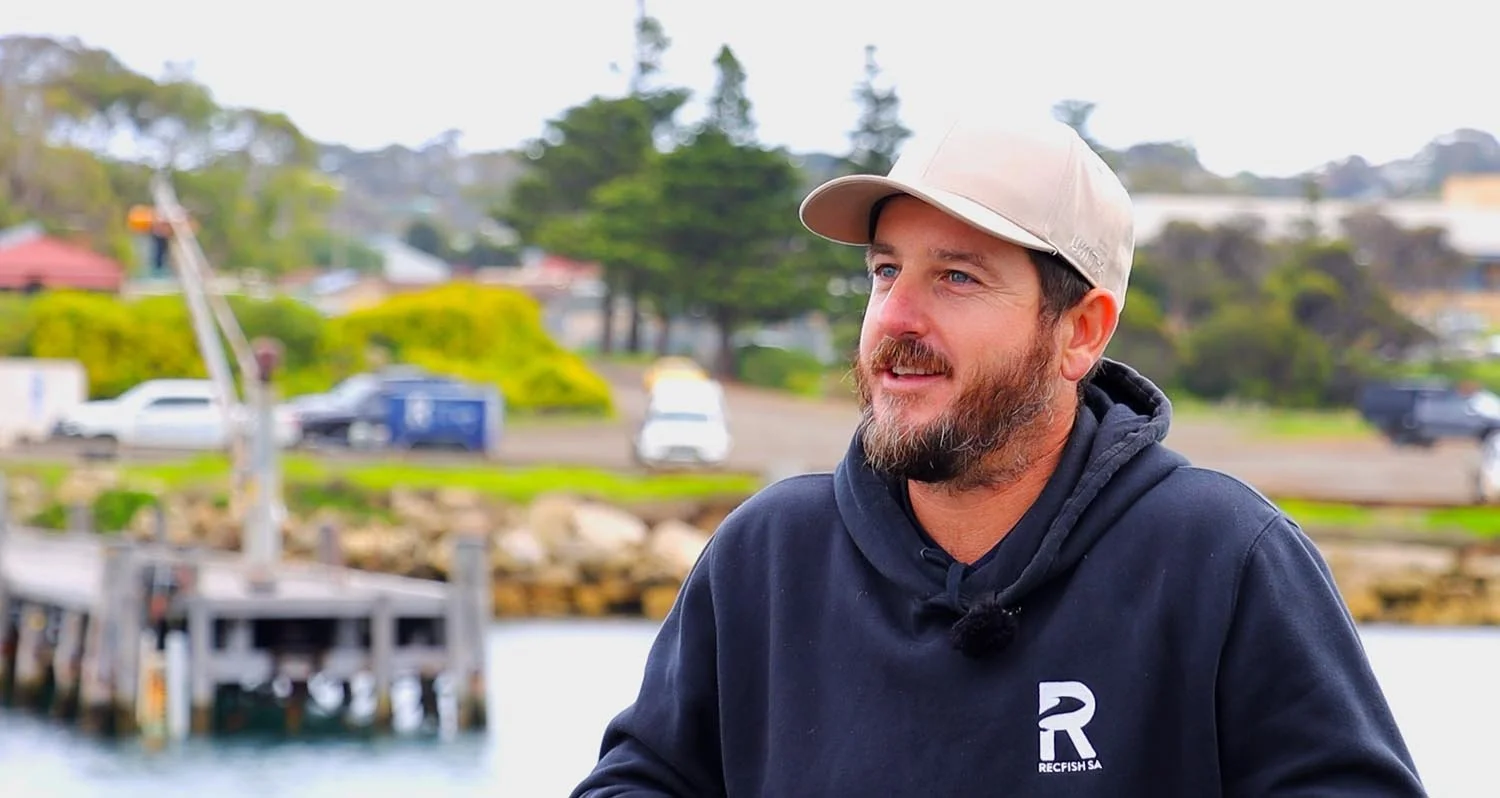
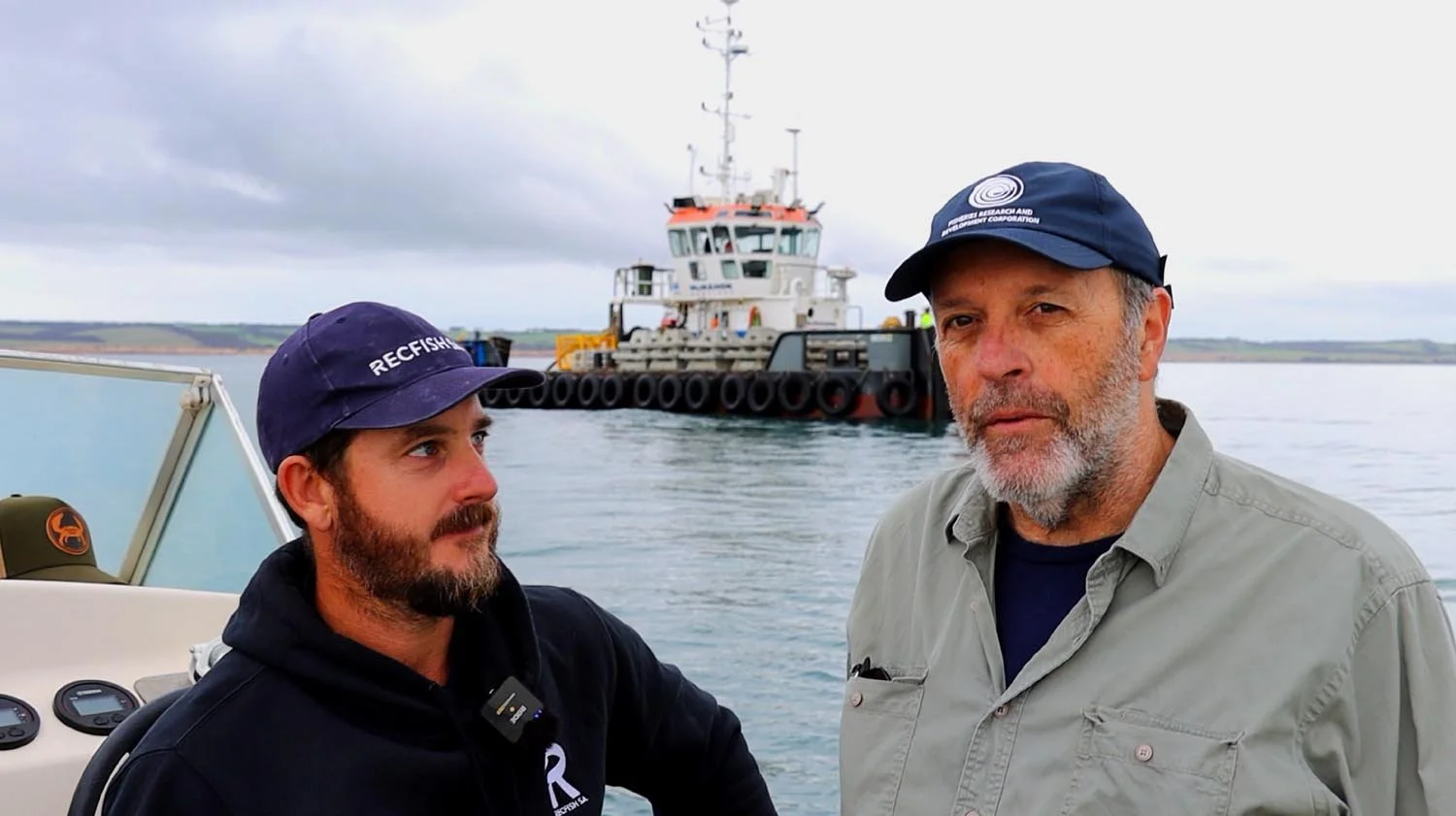
This documentary tells the story of the response to South Australia’s harmful algal bloom and the development of artificial oyster reefs at Nepean Bay, Kangaroo Island.
Led by RecFish SA in collaboration with the South Australian Government, In-Depth Innovations and MacMahon’s Services, the project follows the research, planning and deployment behind new reef habitat designed to support the recovery of impacted marine species.
The film also explores the importance of marine recovery to regional communities, recreational fishing, tourism and diving.

ARTIFICIAL REEFS
KANGAROO ISLAND
MARINE CONSERVATION
HARMFUL ALGAL BLOOM
FROM THE FIELD


CLIENT — FRDC × AUSTRALIAN RECREATIONAL FISHING FOUNDATION
World Recreational
Fishing Forum 11.
SOUTH AFRICA
Following the Australian delegation to South Africa, this short film explores the global significance of recreational fishing and the role it plays within communities around the world.
Created for the Fisheries Research and Development Corporation (FRDC) and Australian Recreational Fishing Foundation (ARFF), the film captures the ideas and research shared at the World Recreational Fishing Conference, from angler stewardship and fisheries science to catch-and-release, data innovation and monitoring.
Through the experiences of the Australian delegation, the film explores the science, people and communities shaping the future of recreational fishing.

COMING SOON
SOUTH AFRICA
ANGLER STEWARDSHIP
FISHERIES SCIENCE
RECREATIONAL FISHING
FROM THE FIELD


CLIENT — HALLPRINT
Instructional
Fish Tagging Series.
FISHERIES RESEARCH & EDUCATION
Created with Hallprint Managing Director David Hall, this instructional series demonstrates how different fisheries research tags are correctly applied to live aquatic species for research and monitoring.
Each film focuses on a different tagging method, taking viewers through the application process clearly and practically. Across the series, Tom worked with Hallprint to document techniques for finfish, crustaceans, molluscs and elasmobranchs, each requiring a different approach to tag application.
The result is a practical educational resource that helps Hallprint clients and fisheries researchers understand how to correctly use the tags once they have been supplied, while making specialist procedures easier to follow through film.

INSTRUCTIONAL FILM
AQUATIC SPECIES
FISH TAGGING
FISHERIES RESEARCH
FROM THE FIELD


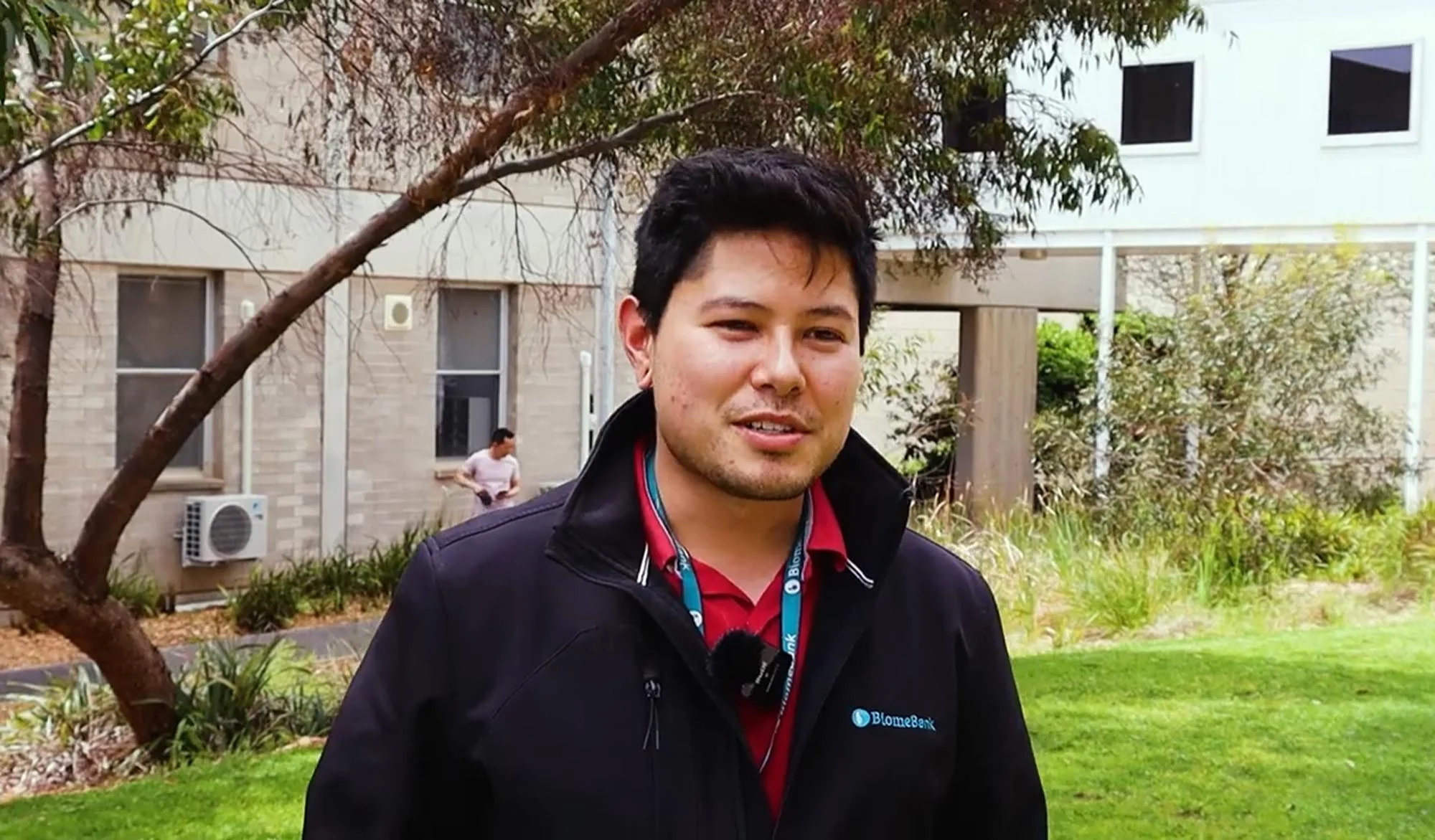
CLIENT — BIOMEBANK × FLINDERS UNIVERSITY
Exploring Diversity in the Gut
Microbiome.
MICROBIOME RESEARCH & SCIENCE COMMUNICATION
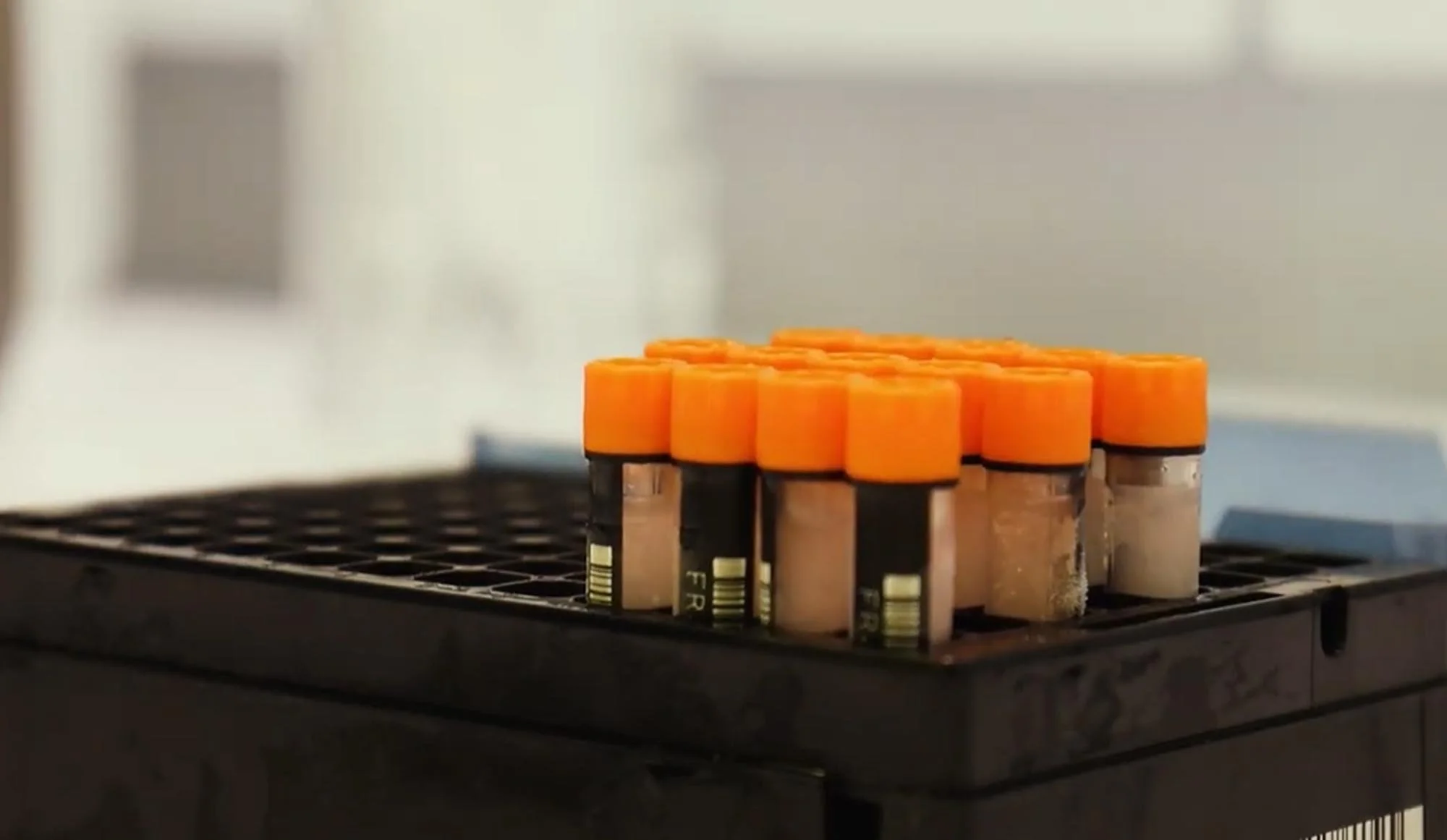
Filmed in collaboration with BiomeBank and Flinders University, this short film explores the development of a new approach to efficiently identify species diversity within the gut microbiome.
The project follows students as they investigate and test a process designed to meet BiomeBank’s objective: finding an effective and efficient approach that could be readily replicated.
By documenting the research process from challenge through to investigation, the film turns highly specialised microbiome research into an accessible visual story while keeping the science at its centre.

FLINDERS UNIVERSITY
SCIENCE COMMUNICATION
MICROBIOME RESEARCH
GUT MICROBIOME
FROM THE FIELD


CLIENT — SOUTH AUSTRALIAN GOVERNMENT × RECFISH SA
MV Andrew Wilson
Artificial Reef Project.
MARINE HABITAT RECOVERY
Led by the South Australian Government with support from RecFish SA, this project documents the scuttling of the former commercial vessel MV Andrew Wilson to create new habitat for fish species impacted by South Australia’s harmful algal bloom.
Donated by Maritime Construction, the vessel was prepared and deliberately sunk as part of wider efforts to support marine habitat recovery in the region.
The film captures the vessel’s final journey and its transformation from a working commercial vessel into new underwater habitat. It provides a unique perspective on one of the practical initiatives being undertaken to help South Australia’s marine environment recover from the impacts of the bloom.
HARMFUL ALGAL BLOOM
SOUTH AUSTRALIA
ARTIFICIAL REEF
MARINE HABITAT RECOVERY


Your work could
be our next story.
Whether you’re communicating research, documenting conservation or sharing an environmental project, let’s talk about how film can help tell the story.